
Getting a good night’s sleep sounds simple, but for many people, it’s anything but. Trouble falling asleep, waking up throughout the night, or feeling groggy the next morning are all common frustrations.
Because of this, melatonin has become one of the most widely used sleep supplements. Others, concerned about side effects or long-term use, have started looking at alternatives like CBN – a hemp-derived cannabinoid known for its calming, sleep-supportive effects that are often described as much milder than THC.
So which works better for sleep: CBN or melatonin?
In this article, we’ll break down how each one works, what the research says, and what to consider before choosing between them.
CBN vs. Melatonin At A Glance
Feature | Melatonin | CBN |
What it is | Hormone your body naturally produces | Hemp-derived cannabinoid |
Primary role | Regulates sleep-wake cycle | Promotes relaxation and drowsiness |
Best for | Jet lag, sleep timing issues | Trouble falling or staying asleep |
Intoxicating effects | None | Mild for some people |
Next-day grogginess | Common for some users | Less commonly reported |
Research depth | Well studied | Limited but growing |
What is Melatonin?
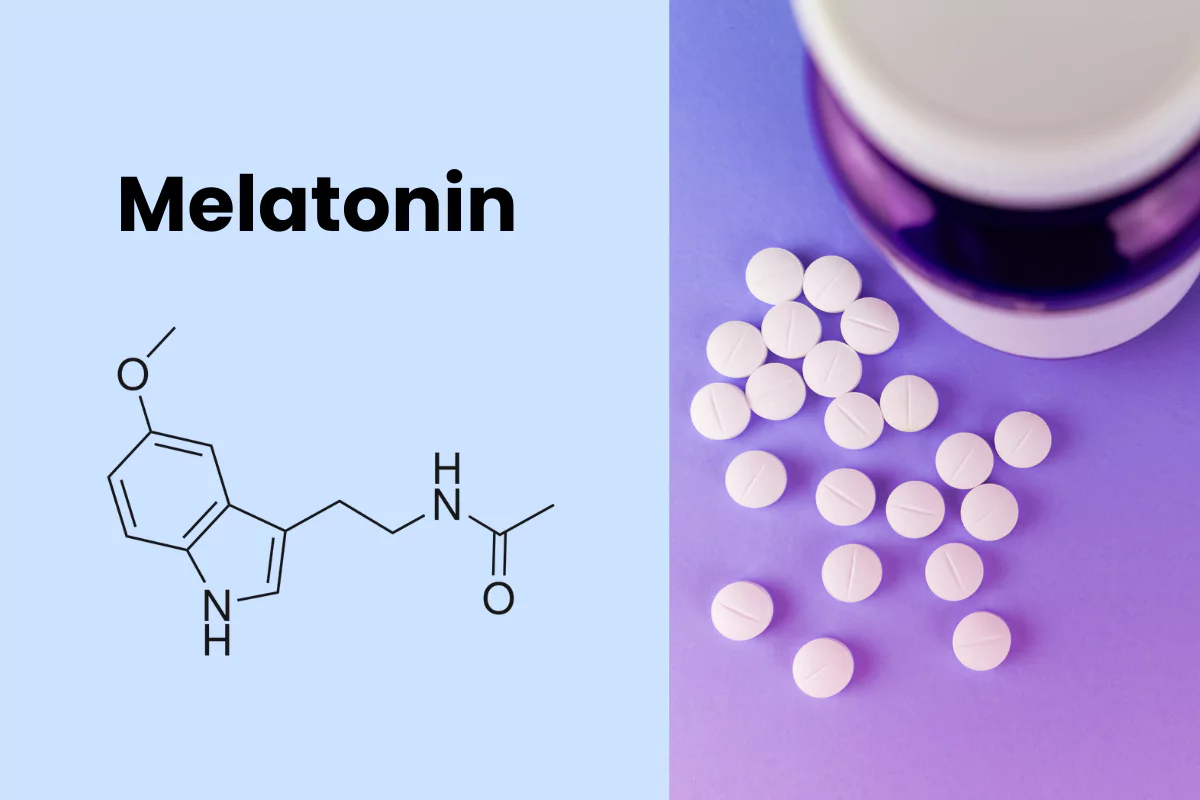
Melatonin is a hormone your body naturally releases in response to darkness. It helps signal that it’s time to sleep and plays a key role in regulating the sleep-wake cycle.
Stress, pain, anxiety, and certain health conditions can interfere with the body’s ability to produce melatonin consistently.
To help compensate, many people turn to over-the-counter melatonin supplements, which are widely available and commonly used.
Melatonin supplementation is generally considered safe for short-term use, but researchers are still studying the potential effects of long-term, regular supplementation.
What is CBN?
Cannabinol (CBN) is a naturally occurring cannabinoid found in hemp that’s commonly associated with calming, sleep-supportive effects. It forms as THC ages and breaks down, which is why it’s often described as much milder than THC.
Most people do not experience an intense high from CBN. Instead, its effects are typically described as subtle and relaxing, making it a popular option for nighttime use. While research on CBN is limited, many people use it to help wind down and fall asleep more easily.
How Melatonin Helps You Sleep
Your body produces melatonin, a natural hormone, to induce sleep. But how does it work in supplement form to support the sleep-wake cycle?
Multiple studies have shown melatonin to be effective at reducing symptoms of jet lag. Other studies have found that melatonin supplements can help people with delayed sleep-wake phase disorder (DSWPD) fall asleep more quickly.
Some companies market melatonin products to relieve everyday sleep difficulties and insomnia. However, studies testing the effectiveness of melatonin for insomnia have found that it has little to no therapeutic benefit.
Overall, melatonin is best suited for improving sleep timing and circadian rhythm issues, but it hasn’t been shown to reliably address ongoing insomnia or frequent nighttime disruptions.
Pros and Cons of Melatonin
Here are the pros and cons of melatonin you need to consider:
Melatonin Pros
- Backed by research: There is conclusive scientific evidence demonstrating melatonin’s sleep-supporting abilities.
- Helps correct the sleep-wake cycle: Due to melatonin’s ability to alter your body’s sleep-wake cycle, it can help with jet lag and delayed sleep-wake phase disorder, as well as other sleep disturbances.
- Accessible and easy to find: Melatonin is a popular sleep supplement and can be found at just about any grocery store and convenience store in America, as well as online.
Melatonin Cons
- Drug contraindications: Melatonin can cause serious problems when taken with other drugs, including blood pressure and diabetes drugs, CBNS depressants, contraceptive drugs, immunosuppressants, and others. Because of this, be sure to talk to your doctor before starting a melatonin regimen.
- Not optimal for older people: Since melatonin stays active for longer in the bodies of older people, it has a higher chance of causing drowsiness the next day.
- May cause next-day grogginess: A side effect of melatonin use that people frequently report is having trouble getting out of bed and feeling groggy the next day.
- Limited knowledge about the safety of long-term use: As of right now, there isn’t enough research to know whether long-term melatonin use is harmful to your body.
- Has side effects: Compared to CBN, which has just one side effect (drowsiness), melatonin may cause headache, dizziness, nausea, and daytime drowsiness.
How CBN Helps You Sleep
Companies market CBN as a sleep aid because of its sedative effects. Many CBN users say it’s similar to THC, but just one-fourth as strong.
Despite these claims, there is little scientific research that supports its reputed nature as a sedative, and other studies have shown that it does not create sedative effects.
There is, however, anecdotal evidence to support CBN’s sedative effects. Most users report that CBN creates a drowsy, slightly “high” effect. Its drowsy effects may reduce the time it takes to fall asleep, and may also reduce the number of times you wake up at night.
Given the limited research on CBN and the anecdotal evidence that we have, it’s likely that CBN will render these effects for some people, but not all.
Even though CBN lacks scientific proof as a sleep aid, it has benefits that render it useful for promoting restful sleep.
Research suggests that CBN may also address secondary issues that make sleep difficult, such as inflammation and pain. It does so without creating energizing effects as CBG, the cannabinoid typically used for pain, does.
How CBN Works
CBN and other cannabinoids influence the body by interacting with your Endocannabinoid System, or ECS, a naturally-occurring system responsible for regulating a variety of bodily functions, including:
- Appetite and digestion
- Metabolism
- Chronic pain
- Inflammation
- Skin and nerve function
- Reproductive function
- Liver function
- Bone remodeling and growth
- Muscle formation
- Cardiovascular system function
- Sleep
- Motor control
- Learning and memory
- Inflammation and immune response
Through CBN’s interaction with the CB1 (mind-focused) and CB2 (body-focused) receptors in your ECS, it’s able to render full-body relaxation.
In this way, CBN can address primary and secondary issues keeping you from getting good sleep at night — instead of just tricking your body into thinking it’s time to sleep.
Pros and Cons of CBN
Here are the pros and cons of CBN you need to consider.
CBN Pros
- All-natural: CBN is a plant-based cannabinoid that is “designed” to work similarly to your body’s internal endocannabinoids. It’s an ideal sleep aid for anyone who prefers natural supplements over artificial substitutions like melatonin.
- Improves sleep onset and sleep quality: Scientific and anecdotal evidence suggest that CBN may be able to reduce the time it takes to fall asleep and reduce the number of times you wake up in the middle of the night.
- May address anxiety, pain, and inflammation: In addition to inducing feelings of drowsiness that support sleep, research and anecdotal evidence suggest CBN may reduce anxiety, pain, and inflammation. In this way, CBN can indirectly improve sleep by addressing secondary issues that make getting good rest difficult.
- Won’t cause next-day drowsiness: Unlike melatonin, most CBN users report that it does not make them feel groggy the next day (when taken in the correct dose).
CBN Cons
- Drug contraindications: As with melatonin, CBN may negative interaction with any drugs that your liver processes (including contraceptives, blood pressure medications, etc.). Be sure to talk to your doctor before you begin using CBN if you’re on any prescriptions.
- Isn’t well-researched: There are only a few studies demonstrating CBN’s benefits and effects, and the results are mixed. More research on CBN is needed before we know if it’s a guaranteed sleep aid.
- May cause mild psychoactive effects: Though there is limited research to support this, anecdotal evidence suggests CBN may cause a mild head-high effect that’s about one-fourth as strong as that of THC. However, most users report that it’s a drowsier high, rather than a euphoric, heavily mind-altering high.
- Not legal and available in some areas: CBN may not be legal in every state, so it’s important to check local laws before purchasing it. Additionally, you likely won’t find it at nearby convenience and grocery stores.
- May cause a false positive on a drug test: Because CBN’s chemical structure is similar to THC’s, some drug testing technology may not pick up on the difference between the two cannabinoids. Proceed with caution when using CBN if you have to undergo regular drug testing.

Can You Take CBN and Melatonin Together?
Yes, it is safe to take CBN and melatonin together. In fact, many people say that their effects complement each other — they both benefit sleep, but in different ways.
How Much CBN Should You Take for Sleep?
For sleep, we recommend starting with a medium-strength dose of CBN. Your exact dosage can be calculated with this formula:
(0.3) x (your body weight in lbs.) = your nightly CBN dosage in mg.
Using a formula to calculate your dose, rather than starting with a specific amount, ensures you’re taking enough CBN for it to work in your body.
As you go, you can adjust this dosage depending on how it’s working for you.
How to Take CBN for Sleep
A few simple tips can help you get the most out of CBN as part of a nighttime routine:
- Take it before bed: CBN is commonly used 30-60 minutes before bedtime to support relaxation.
- Choose the right format: Oils may take effect sooner, while gummies often last longer through the night.
- Start low: Beginning with a lower dose makes it easier to gauge how CBN affects your sleep.
- Be consistent: Using CBN at the same time each night can make its effects more predictable.
- Consider combinations: Some people prefer CBN paired with CBD or THC, which may change how relaxing or sedating it feels.
Conclusion: How to Decide Between CBN and Melatonin
Whereas melatonin supplements trick your body’s hormones into making you feel tired, CBN directly addresses things that make falling asleep difficult, like pain, inflammation, and anxiety, while also providing sleep-supporting effects.
The sleep aid you pick ultimately depends on what you’re looking for. CBN and melatonin both benefit sleep, but in different ways.
Melatonin is proven as a sleep aid, but it also has many short-term side effects, and researchers are unsure about the long-term effects of artificial melatonin supplementation.
CBN is a hemp-derived cannabinoid that, while less proven, is showing lots of promise – and for many, it comes without the next-day grogginess that melatonin does.
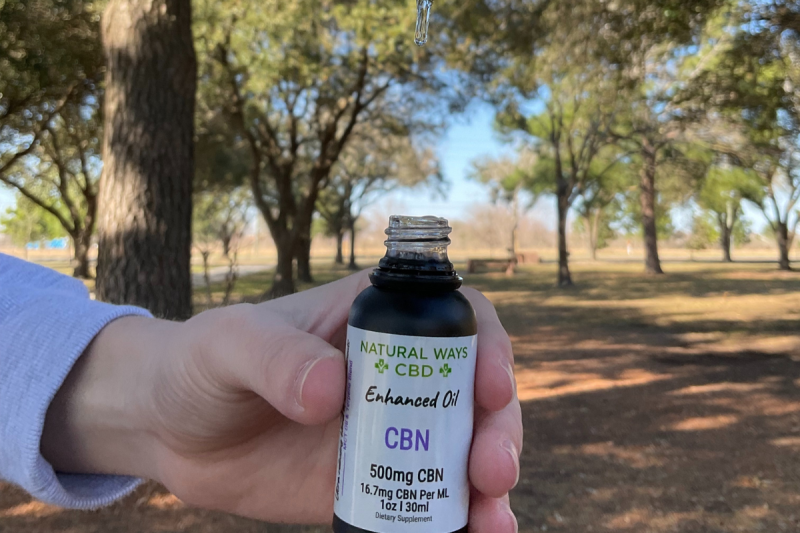
If you’re interested in exploring a cannabinoid-based approach to sleep, Natural Ways CBD offers high-quality, American-made CBN products that are third-party lab tested and trusted by thousands of customers.
Our CBN oil is our go-to for customers looking to sleep better. But if you want a deeper sensation with a stronger head high, you’d probably like our THC + CBN gummies.

You don't need artificial melatonin supplements to get great sleep. Discover our CBN tincture, lab-tested and backed by 100s of happy customers.
CBN vs. Melatonin: Frequently Asked Questions
Here are some questions customers frequently ask us about choosing between CBN and melatonin.
Is CBN better than melatonin?
CBN and melatonin support sleep, but in different ways. Some people find that CBN is better than melatonin because it addresses inflammation, pain, and anxiety in addition to promoting mental relaxation.
Is CBN like melatonin?
CBN is a sleep aid that people often use to replace or supplement melatonin. Like melatonin, CBN promotes mental relaxation. However, unlike melatonin, CBN also addresses pain, inflammation, and anxiety.
Can you take CBN and melatonin together?
Although CBN is an effective sleep aid by itself, it can be safely combined with melatonin to produce enhanced effects.
Is CBN better for sleep?
CBD and THC have been researched more for sleep than CBN has. However, CBN’s ability to induce drowsiness without causing an overwhelming head high means that many people prefer it over CBD or THC for sleep.
Can I take CBN every night?
Many people use CBN nightly without issue, but long-term research is still limited. Starting with a low dose and monitoring how it affects your sleep over time is the safest approach.
What are CBN’s side effects?
CBN is generally well tolerated, with drowsiness being the most commonly reported side effect.